
Drs. Lindsay Frazier & Stephanie Berg - MaGIC and Survivorship | Testicular Cancer Conference 2025 presented by Fennec Pharmaceuticals
Drs. Lindsay Frazier & Stephanie Berg - MaGIC and Survivorship | Testicular Cancer Conference 2025 presented by Fennec Pharmaceuticals
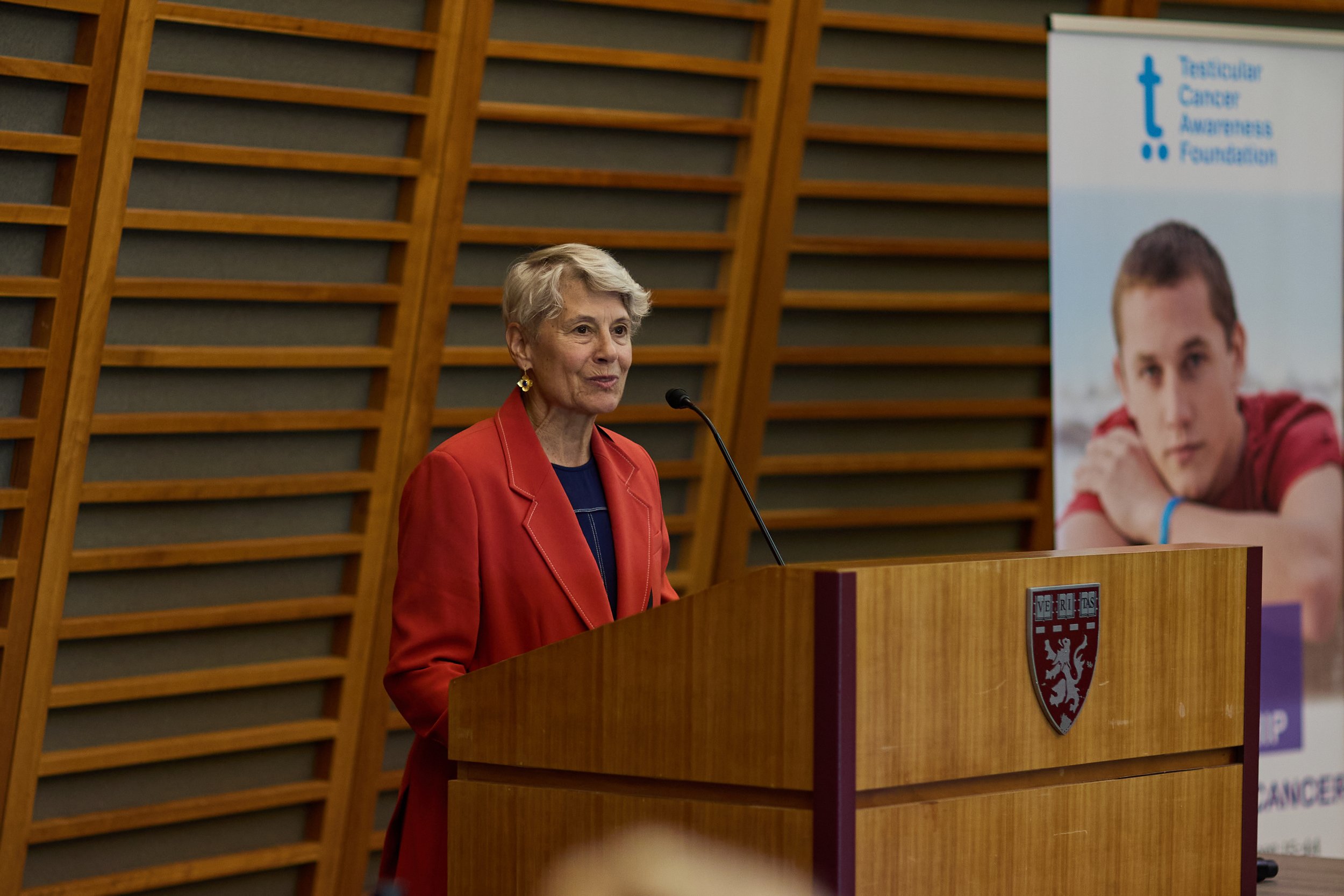
At the 2025 Testicular Cancer Conference, Dr. Lindsay Frazier discussed how international collaboration is accelerating research for testicular cancer and other germ cell tumors through the Malignant Germ Cell Tumor International Consortium (MaGIC).
Why Collaboration Matters
Dr. Frazier emphasized that although testicular cancer is highly curable, too many patients still die from relapsed disease and many survivors face long-term side effects.
Key points included:
Testicular cancer is the most common cancer in men ages 15–44
Germ cell tumors also affect women and children
Rare cancers require collaboration to make progress
Survivors and patient advocates play a key role in shaping research
What MaGIC Is Doing
MaGIC now includes more than 140 members from 17 countries and has launched three international clinical trials involving more than 3,000 patients.
Current projects include:
Studying microRNA in more than 400 patients to predict relapse
Researching which genes increase the risk of cisplatin-related hearing loss
Testing whether giving BEP chemotherapy every two weeks improves outcomes
Developing a new treatment for relapsed and refractory disease
Dr. Frazier also highlighted research using blood samples from military recruits to determine whether microRNA could someday be used to screen for testicular cancer before symptoms develop.
Why Expert Care Is Important
Dr. Frazier closed by stressing that patients treated at NCI-designated cancer centers have better outcomes.
Key takeaways:
Survival may be 10–20% higher at specialized centers
Even a second opinion from an expert can make a difference
Collaboration between local doctors and major cancer centers is essential
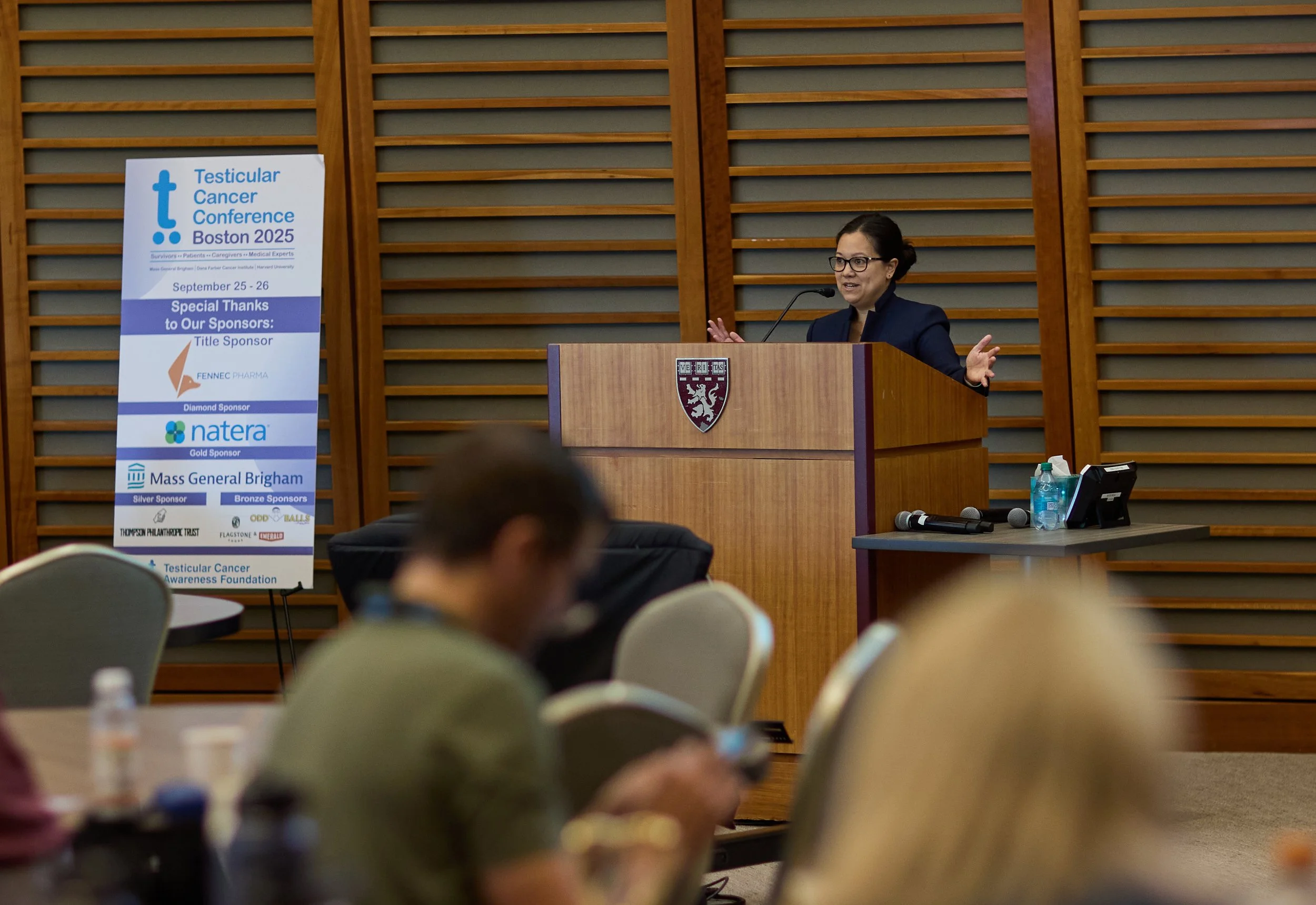
Dr. Stephanie Berg focused on survivorship and the long-term effects of testicular cancer treatment. Her message was clear: cure is not enough if survivors continue to struggle with lasting side effects.
Common Long-Term Effects
Dr. Berg reviewed the most common health concerns survivors may face, including:
Cardiovascular disease
Chronic kidney disease
Neuropathy and hearing loss from cisplatin
Increased risk of secondary cancers
Anxiety, depression, and social isolation
Because most survivors are diagnosed around age 33, these effects can last for decades.
Reducing Harm From Follow-Up Care
Dr. Berg highlighted efforts to reduce unnecessary treatment burden.
Key points included:
Repeated CT scans expose survivors to significant radiation
MRI may be as effective as CT scans for stage I seminoma surveillance
Researchers are also exploring ways to reduce treatment intensity and side effects
A Better Approach to Survivorship
Dr. Berg emphasized that survivorship care should include more than cancer monitoring.
An ideal plan includes:
Mental health support
Fertility and hormone counseling
Healthy lifestyle guidance
Coordination between oncologists, primary care doctors, and supportive care teams
She concluded by pointing to promising future tools such as microRNA and circulating tumor DNA, which may help create more personalized survivorship care.