
Testicular Cancer Survivor Story: From Missed Symptoms to Five Years Cancer-Free
Chad Ingle was initially diagnosed with testicular cancer in January 2015 at 32 years old. But his diagnosis was not immediately caught.
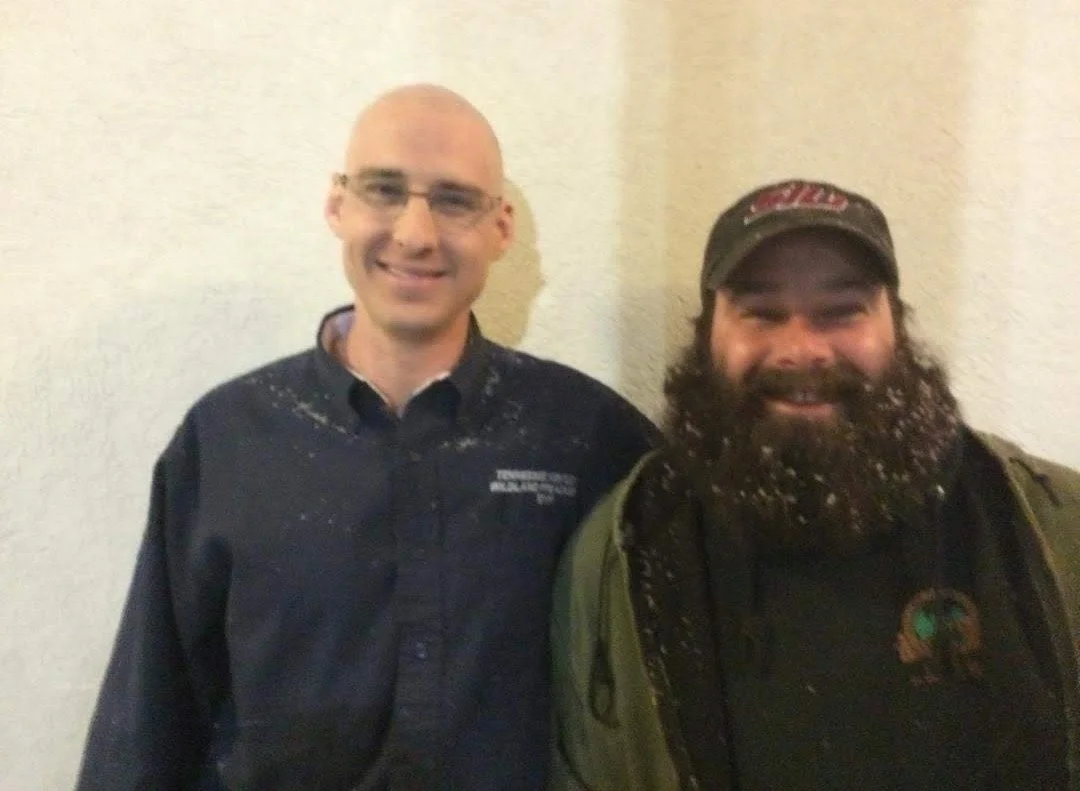
Chad noticed a lump on the left side of his neck a few months earlier in October 2014. He brushed it off and assumed it was a cyst because he previously had one on the back of his neck. About a month later, in November 2014, he found a primary care doctor and scheduled an appointment. The doctor examined him and said the swelling looked like an enlarged lymph node, something that could be caused by anything from a simple illness to lymphoma.
That's when it dawned on Chad that it could possibly be something more serious. This was the week of Thanksgiving in 2014. He was prescribed a steroid pack and antibiotics and told to come back the following week if the lymph node was still swollen. The following week came and nothing had changed, so Chad made another appointment to see his primary care doctor. At that appointment he had a CT scan of his neck and was told they would call him later with the results.
The next day they called him and said not only was the visible lymph node bigger than they thought, but all the other lymph nodes in his neck were swollen as well. A needle biopsy was then taken from the visible lymph node in his neck, but the results were inconclusive. The lymph node was surgically removed from his neck, and the biopsy results showed it was metastatic. But the primary tumor site was still unknown.
In December 2014, a PET scan was performed to further evaluate his condition. The results showed that all his lymph nodes were enlarged. The PET scan was “lit up like a Christmas tree,” and a secondary tumor was beginning to form in one of his lungs. All of this was happening in the weeks leading up to and during Christmas. Chad realized the cancer had spread to all his lymph nodes, and he had no idea where it had started. He feared this might be his last Christmas.
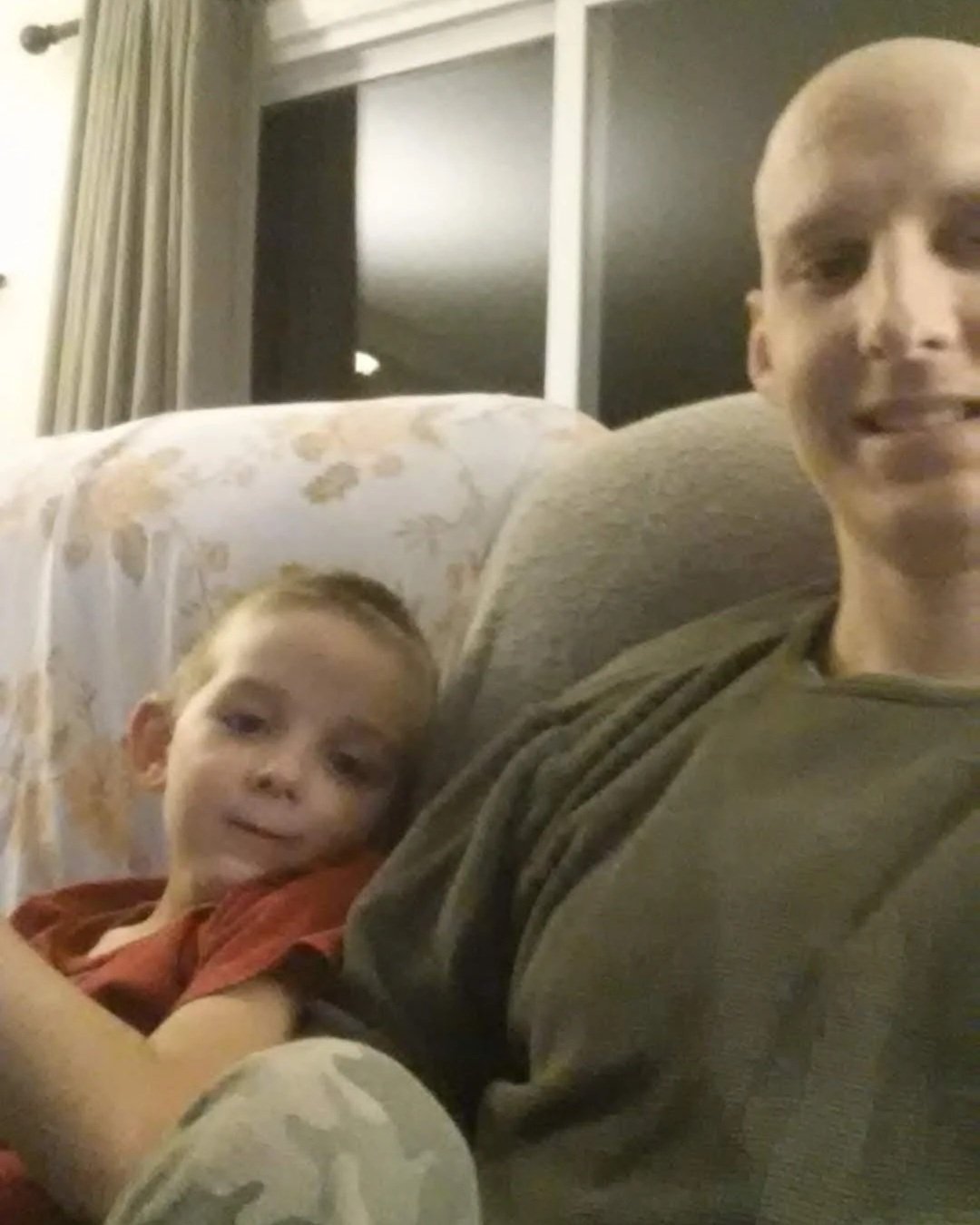
During this time, a general physician examined both testicles for a lump and cleared him, finding nothing wrong.
In January 2015, Chad had a port implanted for chemotherapy, along with an upper GI scope and a colonoscopy, both of which came back negative. With no clear answers, Chad was told he needed to be seen at a larger hospital with a specialized oncology unit. He told them he wanted to go to Vanderbilt, and a few days later he had an appointment with Dr. Jill Gilbert.
At that appointment, she told him that based on what she was hearing, she suspected testicular cancer. He explained that he had already been checked a few weeks earlier and the results were clear. She shook her head and said she wanted to check again. Within seconds, she said she could feel a lump on the left testicle.
Chad had some blood work done and returned the next day for an ultrasound. The blood work showed elevated AFP and HCG tumor markers. The ultrasound the next day confirmed it: TESTICULAR CANCER.
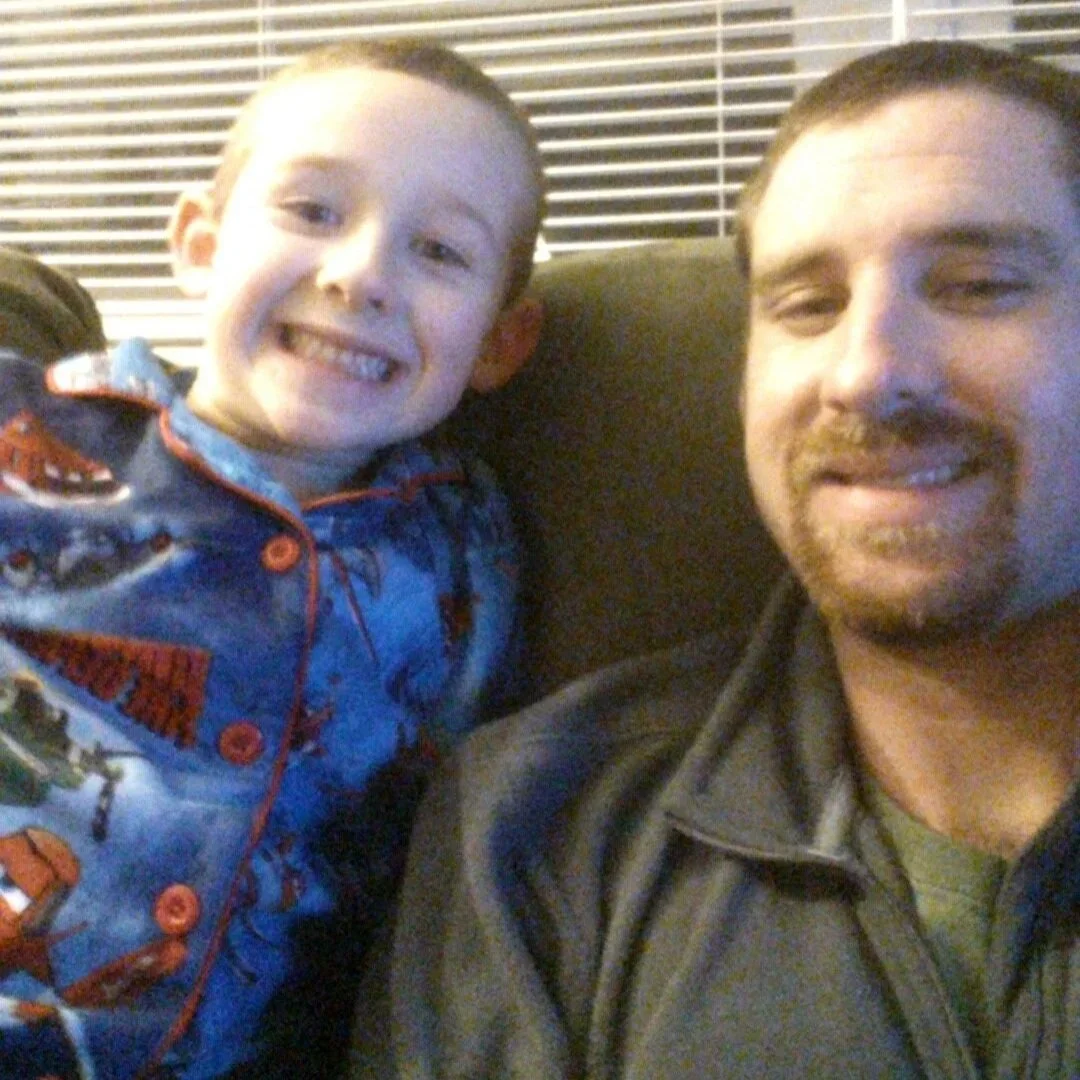
Sperm banking was discussed for possible future use, and he underwent two collections: one for in vitro fertilization (IVF) and another for intrauterine insemination (IUI). Chad underwent his orchiectomy at Vanderbilt in late January 2015. The biopsy of the tumor came back as 60% non-seminoma and 40% seminoma. The majority of the tumor was the more aggressive non-seminoma type, which had already spread to all his lymph nodes. Dr. Gilbert recommended four rounds of BEP chemotherapy.
Because this treatment was well-established, she felt comfortable with Chad receiving BEP as an outpatient at the small hospital he initially visited, under the guidance of the local oncologist. These treatments took place from the second week of February 2015 through the last week of April.
Aside from a quick ER visit for a high-grade fever that wouldn’t go away, Chad tolerated the treatment fairly well. As the toxicity began to set in, his hands became very painful, and the doctors decided to omit the final Bleomycin dose in the twelfth week. By the end of April, his blood work came back good. After treatment, Chad began regular follow-up appointments with Dr. Gilbert every two months.
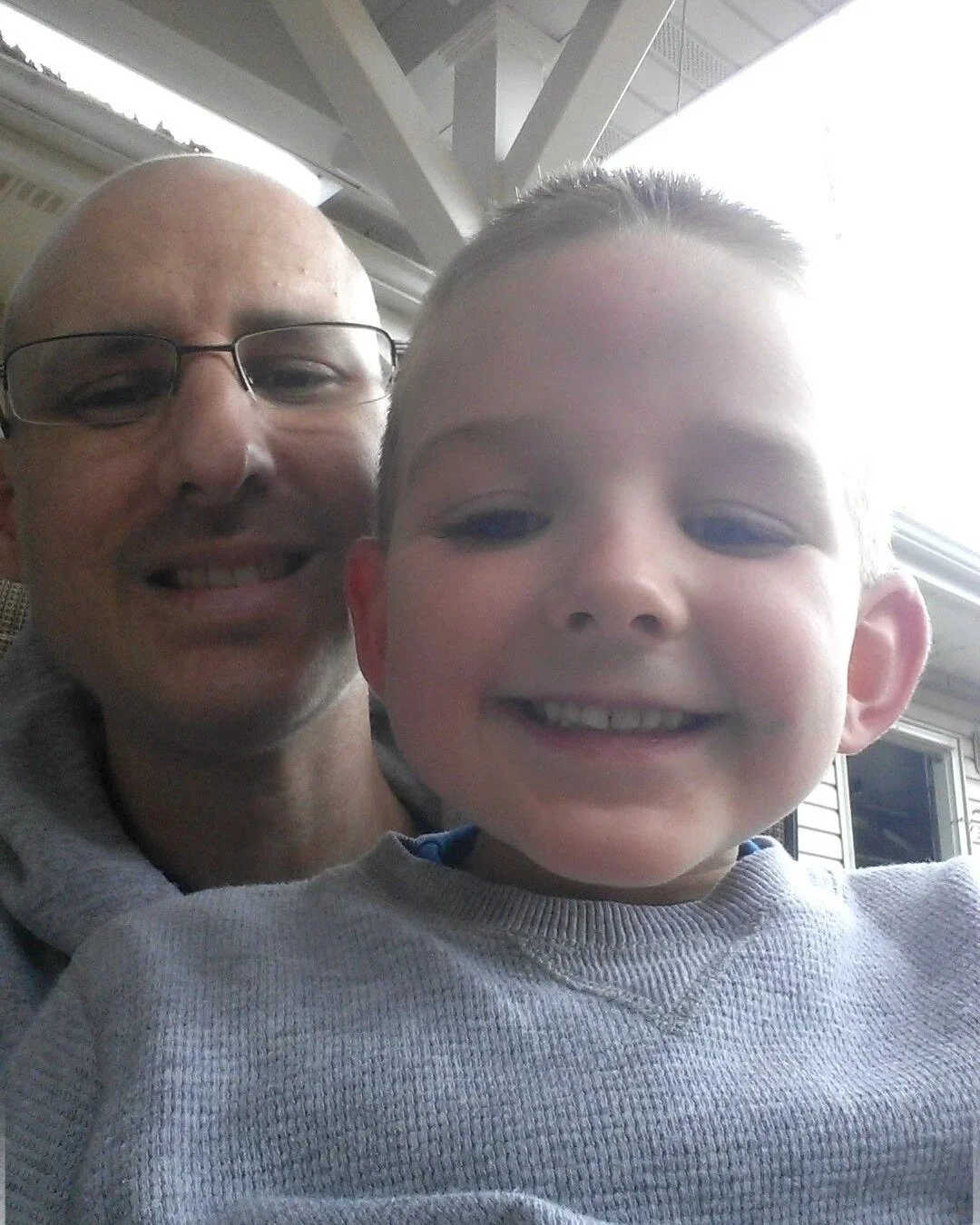
May’s blood work was reassuring, but by July, the results had worsened. Both AFP and HCG tumor markers were higher than before, and he was informed that his testicular cancer had returned. Dr. Gilbert came up with a plan. Chad was admitted into Vanderbilt and administered a different type of chemotherapy treatment. Before that could happen, she reached out to Chad and suggested he talk to a friend of hers, a testicular cancer expert at the Simon Cancer Center in Indianapolis, Indiana University.
Chad traveled to Indianapolis a few days later and met with several doctors, including those who work with Dr. Einhorn. High-dose chemotherapy with a stem cell transplant was discussed. The chemotherapy drugs, Etoposide and Carboplatin, were planned at doses that were extremely high and potentially lethal.
Since the recurrence happened so quickly, the doctors thought Chad would be a good candidate for high-dose chemotherapy with stem cell transplant. He slept on it for a night and decided to move forward. But first, he had to complete a week’s worth of tests to ensure his body could handle the high-dose chemotherapy. These included a dentist appointment, a 24-hour urine collection to measure output, and an EKG to assess heart health.
After all that, Chad had a central line implanted and was wheeled to a machine that removed his blood and extracted stem cells, the baby white blood cells that would be used later during his high-dose chemotherapy. A few days later, he was admitted to the Simon Cancer Center for two rounds of high-dose chemotherapy with stem cell transplant, which took place throughout August and September 2015. The treatment was grueling, nearly taking his life, and he faced a host of complications and side effects. He lost almost 50 pounds during this time, but eventually he grew strong enough to be discharged and return home.
Chad was prescribed a low dose oral chemotherapy pill to take for the next three months, from October 2015 until February 2016. He spent about a month away from work, and in early November 2015, he was able to go back on light duty. His port was kept in after treatment. In June 2018, he was advised to have it removed at the same hospital where it had been implanted. After the procedure, he was informed that a piece of tubing had come out, and a portion had broken off and remained near the bottom of his heart. They told him they would contact him in a week or two to have it removed and to "live his life otherwise".
Not satisfied with this, Chad messaged his oncologist at Vanderbilt, Dr. Gilbert, and told her what was going on. She told him to go to Nashville immediately and head straight to the ER, where they would be waiting for him. A chest x-ray showed an approx. 2.5" piece of tubing at the bottom of his right ventricle. He was admitted and sent to the Cath lab the next morning to have it fished out.
Chad kept up with regular visits to his Vanderbilt oncologist until May 2021, marking five years since finishing treatment. She told him he no longer needed routine check-ins, but he continues lab work twice a year to monitor AFP and HCG levels.