
When Our 17-Year-Old Was Diagnosed With Testicular Cancer: A Mother’s and Father’s Perspective
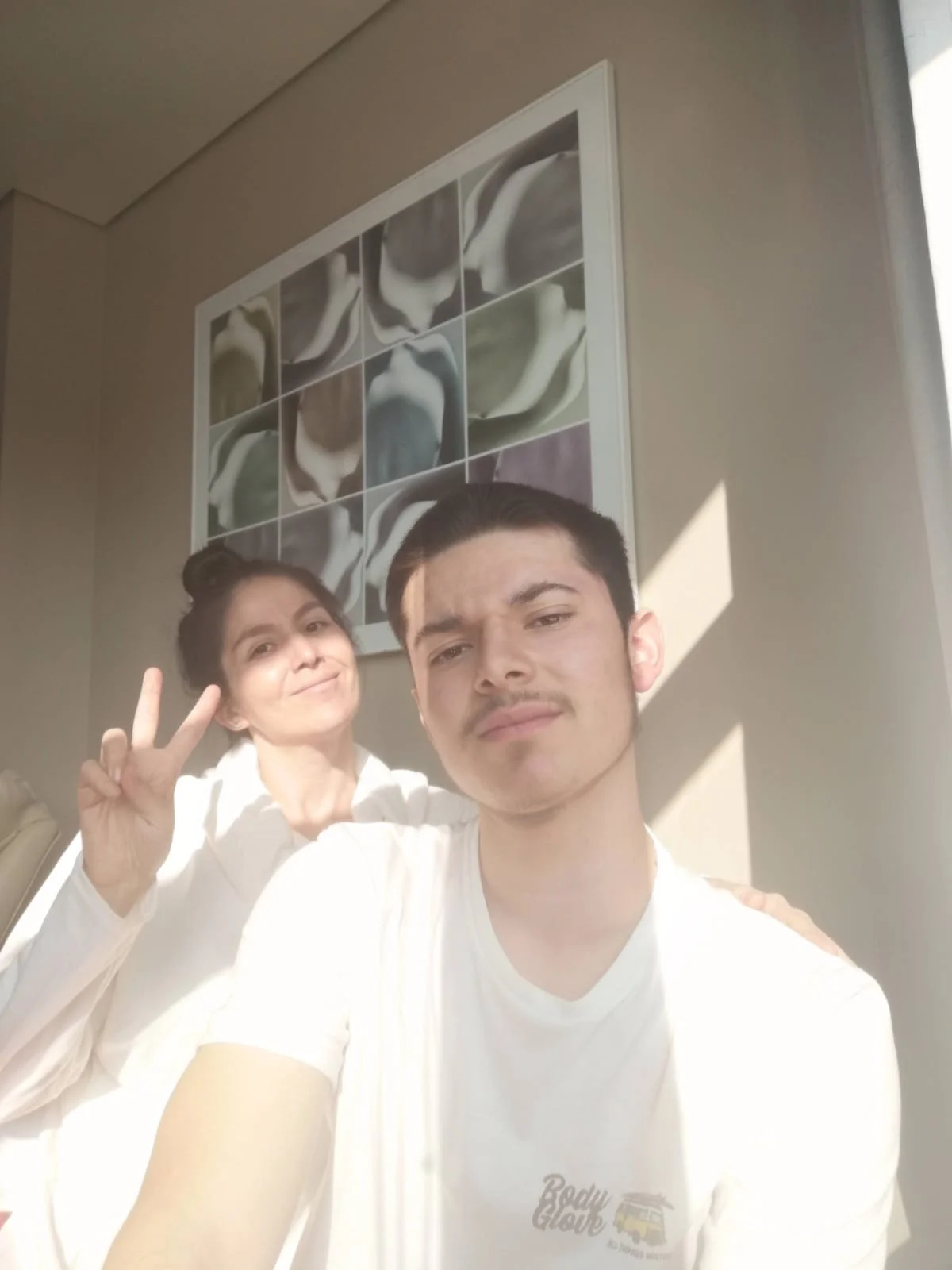
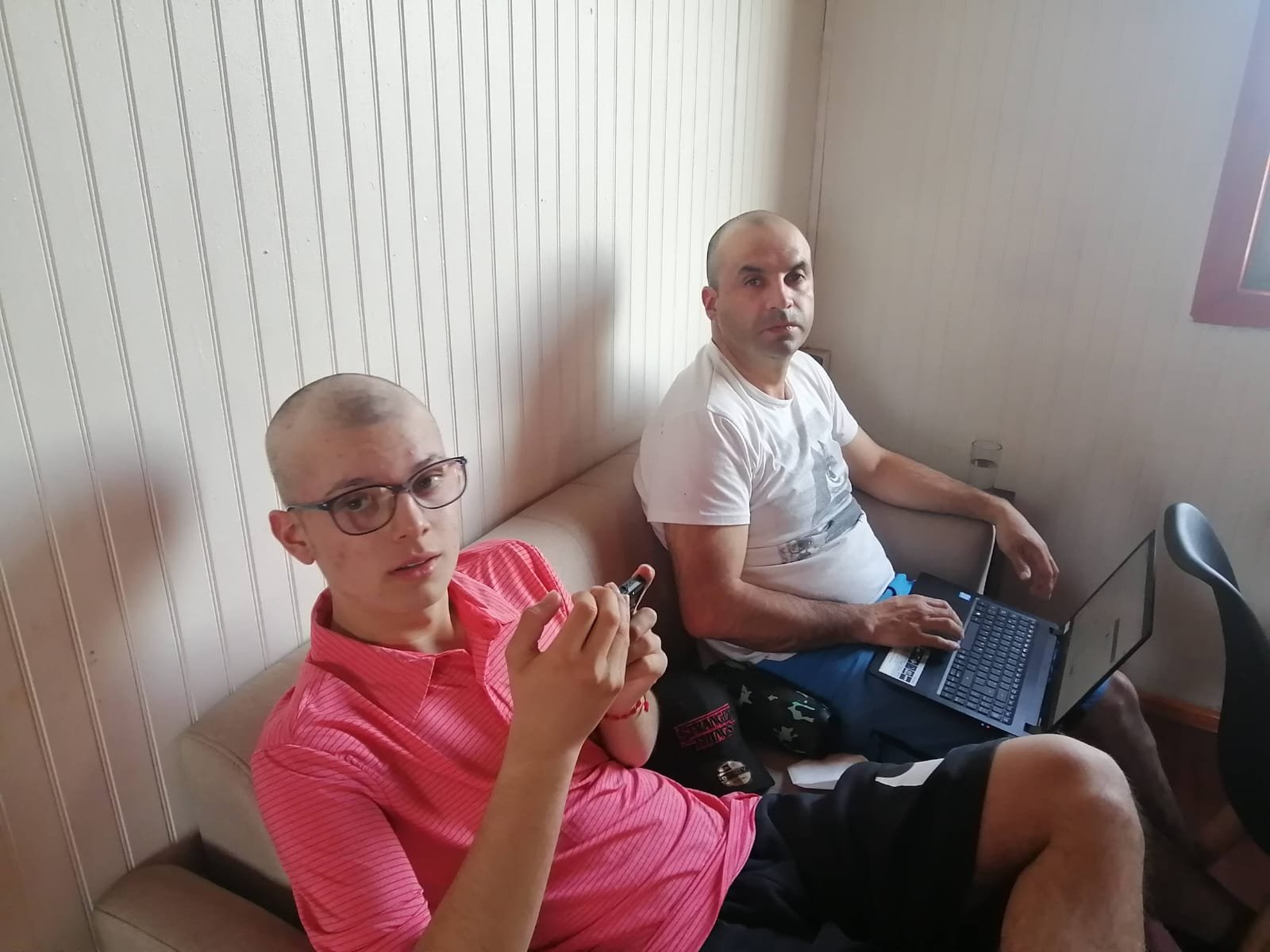
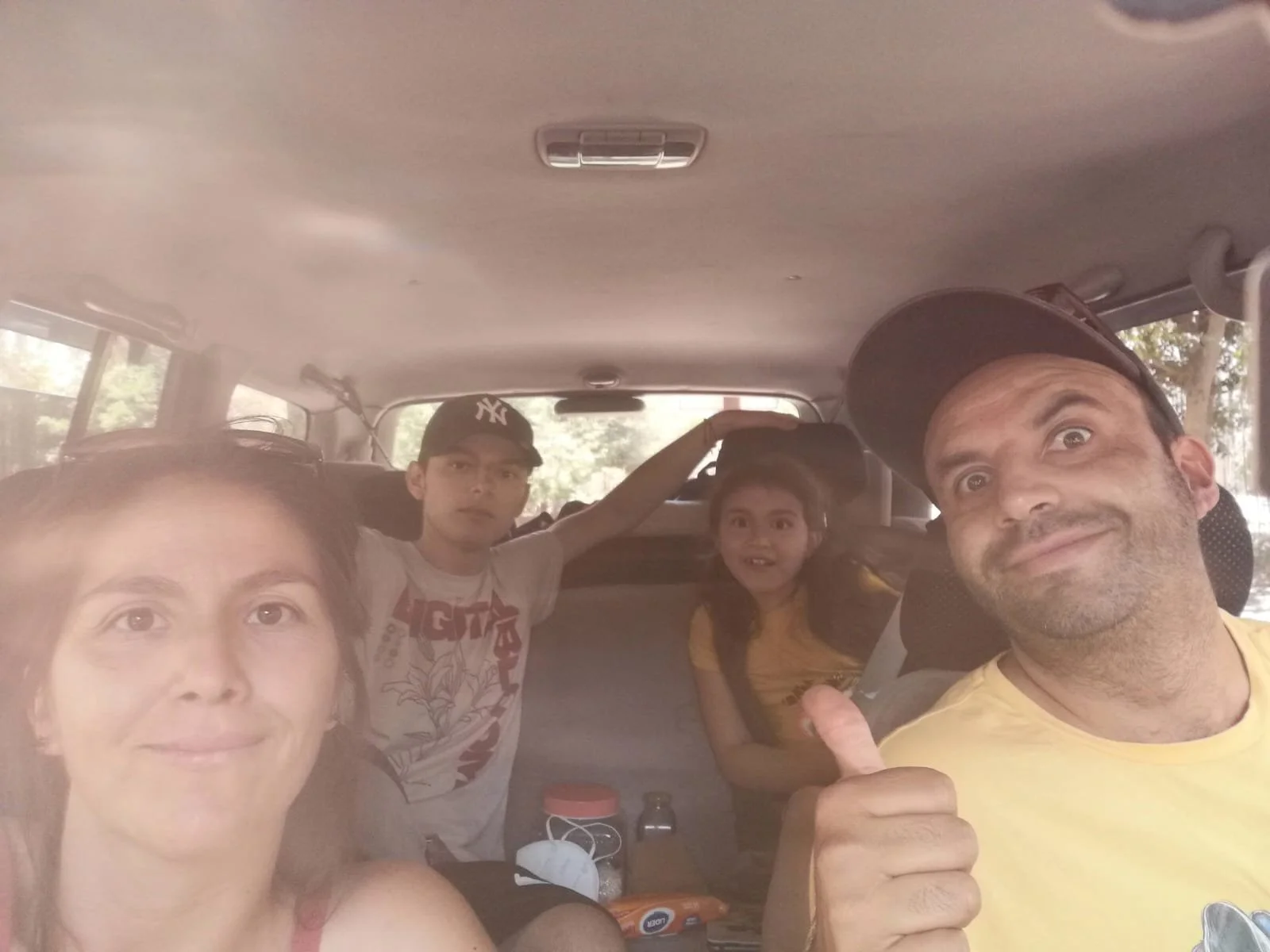
A Mother’s Perspective:
It was a difficult time. The pandemic was just beginning, and the family was already dealing with the stress of school and the burdens of that era. Then, as if that weren't enough, their oldest son, who was 17 at the time, developed discomfort and swelling in his neck. Suddenly, sharp back pains followed. Local doctors were hesitant; perhaps they weren't certain, or they simply didn't want to break the news, so they recommended seeing a specialist.
Within a week, they arrived in Santiago. Tests were conducted in record time, and there was no room for doubt. The doctor gathered the family and delivered the news that their son had testicular cancer. It was devastating for the parents, but the son remained stoic; his only wish was for the pain to stop.
Everything moved incredibly fast. That same day, he underwent surgery. After the removal of the affected area, chemotherapy began just four days later, as the cancer had been spreading through his body for some time.
Following the chemo, he faced a high-risk, six-hour surgery to remove a tumor the size of a fist. The family kept fighting. Meanwhile, life had to go on - work, bills, and caring for the younger daughter. They were incredibly harsh days.
When the family finally processed the blow, they had to figure out how to finance the treatment and surgeries, given the high costs of healthcare in Chile. That is when the 'superheroes' appeared. The angels who never left their side and organized fundraisers to help them.
Today, four years later, everything is going well thanks to God and the medical team. However, the battle continues on a psychological level. The son is experiencing a 'late effect' and he seems hesitant to make decisions about his future. This is understood as a normal response after such a life-altering experience...
Signed with love and hope, Eduardo, my wife Andrea, and our two children:
From Llay-Llay, Chile, to the world
A Father’s Perspective:
My Testimony as a Father and Caregiver
The Armor of Silence They say fatherhood is about guiding, but no one prepares you to be the human shield against an illness like cancer. Watching a 17-year-old son suffer—seeing his body and mind wear down under the weight of chemotherapy—is a barren and brutal path. As a father, you quickly learn that you're not allowed to break. In that moment, weakness is a luxury you can't afford; you must be the iron pillar, the one who encourages, the one who supports, and the one who projects a strength that, inside, no longer exists.
The Loneliness of Support
You appreciate every word of encouragement, every outstretched hand from family and friends. However, there's a harsh truth: when you're in the eye of the storm, you feel that none of it is enough. There's a disconnect between the world that wishes you the best and the reality of watching your son decline day after day. It's a shared loneliness that only those who have been there can truly understand.
The Miracles of the Everyday
In the midst of darkness, glimmers of hope began to appear. Coincidence? Destiny? Divine intervention? There was no time to question it, only to be grateful.
● That person who handled the impossible paperwork at the exact right moment.
● The nurse who broke protocol out of compassion to lighten our burden.
● The doctor who went above and beyond the call of duty.
● The friends miles away who moved heaven and earth to support us financially.
Those moments weren't just "help," they were the lifelines that kept us afloat when the water was up to our necks.
The Present: A Peace That Still Trembles
Today, four years after beginning this process, the physical picture is one of victory. My son, now a man, has recovered. But for a caring father, the battle doesn't end with the hospital discharge. Inside, fear remains a persistent shadow. Doubts linger, and it's hard to enjoy life again without looking over one's shoulder. It's hard to get back on track, and above all, it's hard to see my son trying to live freely and without fear, when I still bear the scars of every sleepless night we spent. We are learning to live again, not as before, but as people who know the true value of every breath.